
Know what’s coming, plan with precision

Peaking R&M Demand poses a challenge to efficient resourcing and meeting SLAs
One of the UK’s largest water companies operates a sewer network stretching almost 40,000 km. Working with their reactive maintenance partner, 65,000 maintenance calls are serviced annually, to keep the system running and reduce pollution risks.
During heavy or sustained rainfall, the requirement for field technicians can surge to three or four times the normal workload, making it difficult to consistently meet service level commitments with a stretched workforce of a fixed size.
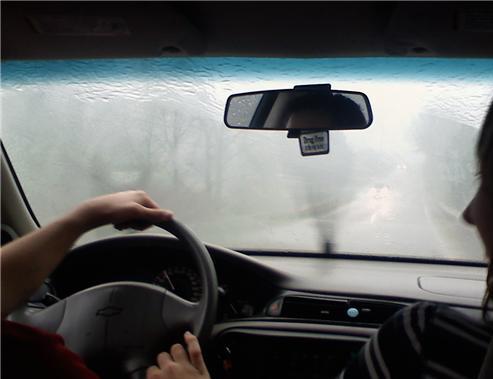
With climate change bringing wetter winters and more frequent storms, the business was facing significant cost pressure to handle peaks in demand and maintain the service standards expected by customers. A new way of working was required to allow the supply chain to scale efficiently to meet demand.
Predictive AI can help your team to understand where and when demand will hit
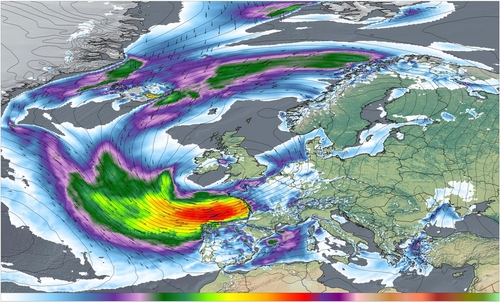
RGA were appointed to examine whether the relationship between rainfall and work demand could be formalised into a predictive model. We examined 8 years’ worth of operational demand data. Working with a supplier of weather data, we built a regression model using historical work and weather data, that accurately predicts forward work demand from precipitation forecasts. Due to the large amount of clean data available, we were able to build a highly accurate model predicting demand at water company level and at daily, weekly and monthly temporal scales. Further work delivered areal distributions, at community level resolution.
Using this model, RGA supported our client in operationalising a predictive resourcing model whereby base level resource was right-sized for the year and temporary resource peaking was achieved through a call-off commercial model.
Make your operations more efficient, reduce pollutions and improve customer satisfaction
Our client was able to minimise costs throughout the year, while maintaining customer service levels in periods of high demand. Through areal demand predictions, resource could also be directed from one region to another, further reducing resource costs. This reduced the size of the team and associated costs by 20% p.a and allowed more rapid response to pollution events,
We can help
If you’d like to discuss how we can help address your operational challenges, contact Rob Gauldie.